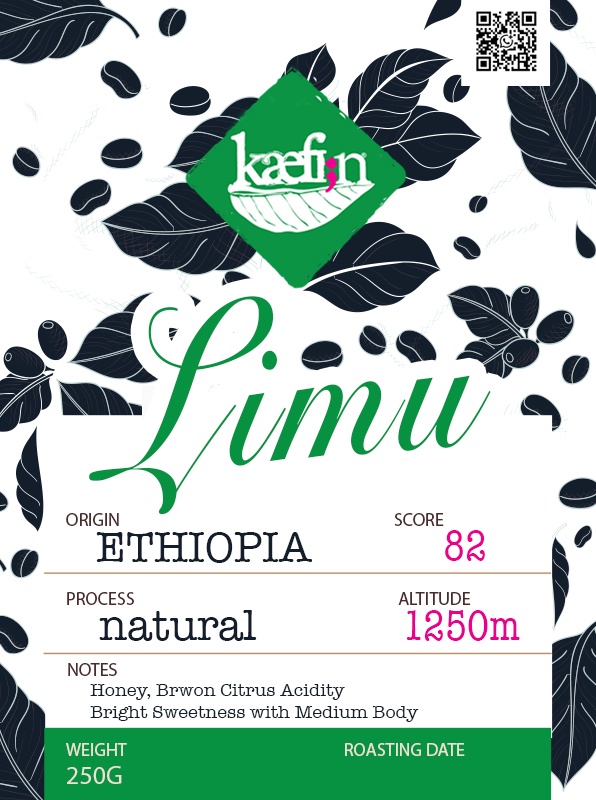
Limu, Ethiopia – Single Origin Specialty Coffee – 100% Arabica, Whole Bean – 250g
475EGP
*English Description Below
من مرتفعات ليمو (Limu) جنوب غرب إثيوبيا، مهد القهوة وأرضها الأصلية، نقدم لك حبوباً تحمل عبق التاريخ نفسه. تقع ليمو ضمن منطقة جيما
(Jimma)
في مرتفعات أوروميا الغربية
(Oromia)
، وهي مشهورة بغاباتها البكر وإمداداتها الوفيرة من المياه، حيث تخلق الغابات ظروفاً مثالية للمواد العضوية مثل الأوراق المتساقطة والأشجار الميتة لتتحول إلى سماد وتعيد مغذياتها إلى التربة. ليمو ليست مجرد منطقة، بل هي إحدى المحافظات الإثيوبية العريقة التي ظلت منذ قرون تزرع البن بطرق تقليدية حرفية، دون مبيدات أو أصناف معدلة، لتمنحك فنجاناً يتحدث عن جذور القهوة الأولى.
تفرد الحبة:
تنمو حبوب ليمو على ارتفاع يتراوح بين 1500 و 1900 متراً، حيث الضباب الكثيف والتربة الغنية بالمعادن البركانية. تشتهر حبوب ليمو بنكهاتها الزهرية المعقدة والفواكه الاستوائية الخفيفة، مع لمسات من الحمضيات (الليمون والبرتقال) وشاي الياسمين. غالبًا ما يتم تذوقها على أنها ليمون/ليم، ياسمين، شاي أسود، و/أو نكهات عشبية. الحموضة مشرقة وواضحة لكنها متوازنة، وجسم القهوة متوسط، لتنتهي بلمسة نهائية نحاسية دافئة تشبه رائحة العسل الطبيعي. هي قهوة تفهمك دون أن تصرخ في وجهك.
طريقة المعالجة:
هذه القهوة مغسولة بالكامل (Fully Washed)، وهي الطريقة الأكثر شيوعًا في مزارع ليمو. يتم إزالة قشر الكرز وتخمير الحبوب في الماء لمدة 12 ساعة، ثم نقعها في الماء العذب لمدة 12 ساعة أخرى قبل غسلها ونشرها على أسرّة شبكية مرتفعة لتجف لمدة تتراوح بين 7 و 10 أيام. تعمل هذه الطريقة على إبراز نقاء الحبوب وتعقيد نكهاتها الطبيعية.
التحميص الأسبوعي بكميات صغيرة:
لأن أخلاق القهوة الحقيقية تقتضي الطزاجة. نحمص حبوب ليمو عند الطلب فقط، دفعات لا تتجاوز ١٠ كيلوغرامات، باستخدام تقنية التحميص الهوائي التي تحافظ على ثم تعبئ في اكياس المونيوم بصمام تفريغ الهواء لتصل إليك حبوب القهوة طازجة وفي ذروة عطرها
تكفي لتحضير ١٧ إلى ٢٥ كوباً (حسب طريقة التخمير).
نصيحة التحضير:
تعتبر حبوب ليمو مناسبة بشكل ممتاز لتحضير الإسبريسو بفضل توازنها وحموضتها الواضحة، كما تبرع في طرق التقطير اليدوي.
- للتقطير اليدوي (V60):
- الطحن: متوسط.
- درجة حرارة الماء: ٩٢-٩٦ درجة مئوية.
- نسبة التخمير: ١:١٦ (١٦ غرام بن لكل ٢٥٠ مل ماء).
- مدة التخمير: ٢:٣٠-٣ دقائق.
- للإسبريسو:
- الطحن: ناعم.
- درجة الحرارة: ٩٣ درجة مئوية.
- النسبة: ١:٢ (١٨ غرام بن، ٣٦ غرام إسبريسو).
- متوقع: قشدة كثيفة بلون البندق مع نكهات الحمضيات والياسمين والشاي الأسود، ونهاية نظيفة وطويلة.
لمحة تاريخية عن قهوة ليمو (Limu):
تُزرع القهوة في منطقة ليمو، وخاصة في مدينة كوتا، لعدة قرون. يعتمد صغار المزارعين على أساليب الزراعة التقليدية التي تؤكد على الممارسات العضوية والإشراف البيئي. بينما يشتهر إنتاج القهوة في إثيوبيا على نطاق واسع، كانت ممارسات التتبع تاريخيًا محدودة. اليوم، أصبحت الشفافية الكاملة ممكنة من خلال شراكات التصدير المباشرة التي تضيف قيمة للمزارعين والمحامص. ساعد إنشاء محطات الغسيل الحديثة، مثل محطة كوتا، المنطقة على إنتاج قهوة تلبي أعلى معايير الجودة من خلال بروتوكولات المعالجة المنظمة والموحدة، مما يضمن الجودة المتسقة التي تشتهر بها ليمو اليوم.
Description:
From the highlands of Limu, southwest Ethiopia, the birthplace and original homeland of coffee, we bring you beans that carry the scent of history itself. Limu is located within the Jimma zone of the western Oromia highlands, and is famous for its virgin forests and abundant water supply, where the forests create perfect conditions for organic matter like fallen leaves and dead trees to compost and return their nutrients to the soil. Limu is not just a region; it is one of the ancient Ethiopian provinces that has been growing coffee for centuries using traditional artisanal methods, without pesticides or modified varieties, to give you a cup that speaks of the very roots of coffee.
Unique Bean Profile:
Limu beans grow at altitudes ranging from 1,500 to 1,900 meters, where dense mist and mineral-rich volcanic soil prevail. Limu beans are known for their complex floral and light tropical fruit notes, with touches of citrus (lemon and orange) and jasmine tea. They are often tasted as lemon/lime, jasmine, black tea, and/or herbaceous notes. The acidity is bright and clear yet balanced, and the body is medium, finishing with a warm, coppery hint reminiscent of natural honey. It is a coffee that understands you without shouting.
Processing Method:
This coffee is Fully Washed, the most common method on Limu farms. The cherry skin is removed, and the beans are fermented underwater for 12 hours, then soaked in fresh water for another 12 hours before being washed and spread on raised screen beds to dry for 7 to 10 days. This method highlights the purity and complex natural flavors of the beans.
Weekly Small-Batch Roasting:
Because the true ethics of coffee demand freshness. We roast Limu beans only to order, in batches not exceeding 5 kilograms, using hot air roasting technology that preserves the precision of the roast and highlights the delicate layers of the Ethiopian bean.
Enough for 17 to 25 cups (depending on brewing method).
Brewing Tip:
Limu beans are excellently suited for espresso preparation due to their balance and clear acidity, and they also excel in pour-over methods.
- For Pour-Over (V60):
- Grind: Medium.
- Water temperature: 92–96°C.
- Brew ratio: 1:16 (16g coffee per 250ml water).
- Brew time: 2:30–3 minutes.
- For Espresso:
- Grind: Fine.
- Temperature: 93°C.
- Ratio: 1:2 (18g coffee, 36g espresso).
- Expect: A thick, hazelnut-colored crema with notes of citrus, jasmine, and black tea, with a clean, long finish.
Historical Background of Limu Coffee:
Coffee has been cultivated in the Limu region, particularly in the town of Kota, for centuries. Smallholder farmers rely on traditional farming methods that emphasize organic practices and environmental stewardship. While coffee production in Ethiopia has been widely celebrated, traceability practices have historically been limited. Today, full transparency is possible through direct export partnerships, which add value for farmers and roasters alike. The establishment of modern washing stations, such as the Kota station, has helped the region produce coffee that meets the highest quality standards through structured and standardized processing protocols, ensuring the consistent quality that Limu is known for today.