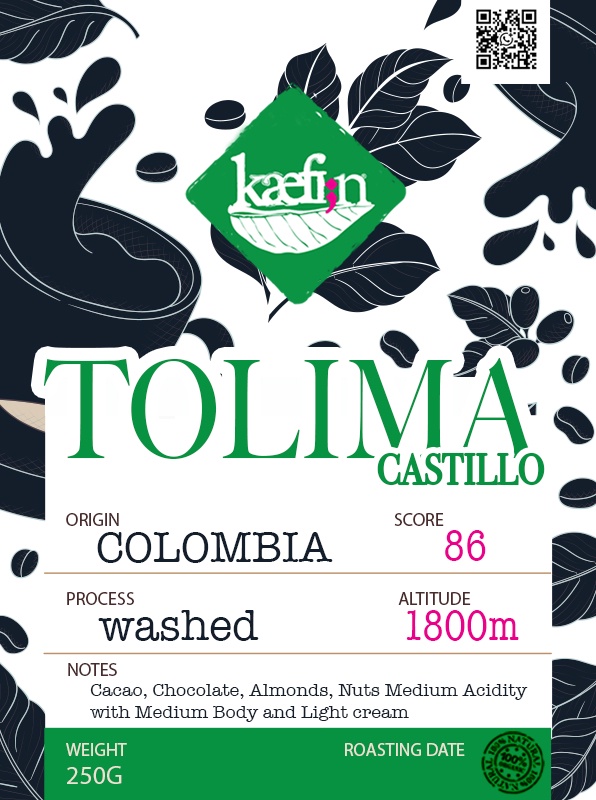
Tolima, Colombia – Castillo – washed - Single Origin Specialty Coffee 100% arabica whole beans – 250g
425ج.م
*English Description Below
**من قلب جبال الأنديز الوسطى في منطقة توليما الكولومبية، حيث تتراوح المرتفعات بين ١٤٠٠ و ٢١٠٠ متر فوق سطح البحر، تلتقي التربة البركانية الغنية بالمعادن مع المناخ الاستوائي المعتدل والضباب الكثيف الذي يغلف المزارع لساعات طويلة. هنا، في واحدة من أعرق مناطق البن الكولومبي، جعلت هذه الظروف المثالية منطقة توليما مخبأة في الأفق بين مناطق البن الأخرى المعروفة لفترة طويلة، لكنها تشهد الآن طفرة في إنتاج البن المختص الفاخر الذي يضاهي أفضل إنتاجات كولومبيا.
يمثل هذا المحصول، الذي يُزرع في العديد من المزارع العائلية الصغيرة التي تمتد على مساحة ٣٠٠ هكتار من الأراضي الزراعية الخصبة، أحد أبرز وأكثر الأصناف كفاءة في كولومبيا. ويجتمع هؤلاء المزارعون في تعاونيات مثل 'مزرعة كافيه ديل ماسيزو'، ليعملوا معًا على جودة محاصيلهم. تشتهر هذه المزارع بزراعة صنف كاستيو، وهو صنف قهوة مُنتقى وحديث نسبياً على المستوى التاريخي للقهوة. طوّره المركز الوطني الكولومبي لبحوث القهوة وأطلقته الحكومة للمزارعين رسمياً في عام ٢٠٠٥ ليكون أكثر مقاومة لصدأ أوراق القهوة، وهو مرض فطري مدمر ينتشر في المناطق مرتفعة الرطوبة. هذا الاهتمام الحكومي الكبير ساهم في سرعة انتشاره الواسعة بين مزارع البن المحلية لتحل محل الأصناف الأكثر عرضة للمرض، لأنه يساعد على استقرار جودة المحصول طوال العام.
تفرد الحبة:
تكشف قهوة كاستيو عن ملف نكهة كلاسيكي وجذاب في آن واحد. عند التذوق، تفتتح الكأس بنكهات الشوكولاتة الغنية والكراميل الدافئ، مما يمنحها قاعدة حلوة ومستديرة. تتوسع هذه النكهات لتعانق الفواكه الحجرية مثل الخوخ والمشمش، مع لمسات من الفواكه الحمراء أحياناً، مما يمنحها عمقاً مميزاً. تعبر الكأس حموضة متوسطة ونظيفة، أقرب إلى حموضة الفواكه الحمضيات مثل البرتقال والليمون، على النقيض من حموضة التفاح الأخضر أو النبيذ الموجودة في بعض أنواع البن الأخرى. هذه الحموضة المتوازنة تمنح الكأس حيوية وانتعاشاً وتخلق فنجاناً متوازناً وسلساً ليس حاداً أو منفراً، يذكرك كثيراً بنكهة السكر البني الخفيف والبندق، وينتهي بجسم متوسط وكثيف وملمس حريري ناعم ونهاية طويلة ونظيفة بالكامل تخلق إحساساً بالشبع والراحة.
طريقة المعالجة:
تُعالج هذه القهوة بطريقة مغسولة، باتباع بروتوكولات دقيقة. تبدأ العملية بقطف يدوي انتقائي دقيق، حيث تُقطف ثمار الكرز الحمراء الناضجة بيدي المزارع وبحرفية عالية، ثم تُنظف بتعويمها في المياه لاستبعاد أي حبة مصابة أو غير صالحة. بعد إزالة القشرة الخارجية لثمرة الكرز، تُخمر الحبوب في خزانات ماء لمدة تتراوح بين ٣٦ و ٤٨ ساعة، حسب حرارة الجو المحيط. هذه الفترة مثالية لتطوير السكريات المعقدة والأحماض العضوية التي تمنح القهوة نكهاتها الجذابة. بعد انتهاء فترة التخمير، تُغسل الحبوب جيداً بالماء النقي لإزالة أي بقايا لزجة تماماً. بعد التنظيف، تُنشر الحبوب على أفنية خرسانية أو مجففات مظللة خاصة لأكثر من أسبوعين، مع تقليب يدوي متكرر عدة مرات على مدار اليوم لضمان جفاف متساوٍ وخالٍ من الرطوبة التي تفسد النكهة. هذه الطريقة تنتج فنجاناً أنقى وأوضح نكهة، وتسلط الضوء على الصفات الطبيعية للحبوب دون أي تأثير خارجي.
التحميص الأسبوعي بكميات صغيرة:
نحمص حبوب توليما كاستيو بكميات لا تتجاوز عشرة كيلوغرامات لكل دفعة، لنضمن لك وصول أقصى درجات الطزاجة والنقاء إلى فنجانك. نعتمد تقنية التحميص الهوائي بدرجة خفيفة إلى متوسطة، وهي الدرجة المثلى لهذا الصنف، حيث تبرز الحلاوة الطبيعية وتحافظ على الحموضة النظيفة دون أن تحجب التعقيد المتأصل في هذه الحبوب. تطلب اليوم، نحمص غداً، ويصل إليك البن طازجاً، وكأنك تتنفس الهواء العليل لمزارع توليما البعيدة بنفسك.
تكفي لتحضير ١٧ إلى ٢٢ كوباً.
نصيحة التحضير:
- للتقطير اليدوي (V60): الطحن: متوسط. درجة حرارة الماء: ٩٢-٩٤ درجة مئوية. نسبة التخمير: ١:١٦ (١٦ غرام بن لكل ٢٥٠ مل ماء)، مدة التخمير: ٢:٣٠-٣ دقائق. هذه الطريقة مثالية لإظهار نقاء وتعقيد النكهات.
- للإسبريسو: يمكن تحضير قهوة كاستيو بنجاح كإسبريسو، خاصةً مع التحميص المتوسط. يُنصح باستخدام طحن ناعم، درجة حرارة ٩٣ درجة مئوية، ونسبة ١:٢ (١٨ غرام بن، ٣٦ غرام إسبريسو). النتيجة المتوقعة: قشدة كثيفة بنكهات الشوكولاتة والكراميل والفواكه الحجرية.
لمحة تاريخية عن مزرعة كافيه ديل ماسيزو (Café del Macizo):
تأسست التعاونية في عام ٢٠٠٣ لمساعدة صغار المزارعين في توليما على تحسين إنتاجهم وتسويق قهوتهم بأسعار عادلة. تُعدّ واحدة من الأمثلة الناجحة على العمل الجماعي في المنطقة، حيث تنتج أكثر من ٧٥٠ ألف كيلوغرام من البن العضوي سنويًا، مما يعكس الالتزام بالجودة والاستدامة.
Description: From the heart of the Central Andes in Colombia's Tolima region, at altitudes ranging between 1,400 and 2,100 meters above sea level, mineral-rich volcanic soil meets the mild tropical climate and thick mist that envelops the farms for long hours. Here, in one of the most traditional Colombian coffee regions, these ideal conditions kept Tolima somewhat hidden among other well-known coffee regions for a long time. However, it is now experiencing a boom in producing fine specialty coffee that rivals Colombia's best.
This crop, cultivated on many small family farms spread across 300 hectares of fertile agricultural land, represents one of the most prominent and efficient varieties in Colombia. These smallholder farmers come together in cooperatives, such as Café del Macizo, to work collectively on the quality of their harvest. These farms are renowned for growing the Castillo variety, a relatively modern and selected coffee strain. It was developed by the National Center for Coffee Research of Colombia and officially released to farmers by the government in 2005 to be more resistant to coffee leaf rust, a devastating fungal disease that spreads in high-humidity areas. This significant governmental focus has contributed to its rapid and widespread adoption among local coffee farms, replacing more susceptible varieties because it helps stabilize crop quality throughout the year.
Unique Bean Profile:
Castillo coffee reveals a classic and appealing flavor profile. Upon tasting, the cup opens with rich chocolate and warm caramel notes, providing a sweet, rounded base. These flavors expand to embrace stone fruits like peach and apricot, sometimes with touches of red fruits, adding a distinctive depth. The cup is characterized by medium, clean acidity, reminiscent of citrus fruits like orange and lemon, in contrast to the green apple or winey acidity found in some other coffee varieties. This balanced acidity gives the cup vitality and freshness, creating a balanced, smooth cup that is neither sharp nor off-putting. It is highly reminiscent of light brown sugar and hazelnut, ending with a medium to full, silky smooth body and a very long, clean finish that creates a feeling of satiety and comfort.
Processing Method:
This coffee is processed using the washed method, following precise protocols. The process begins with careful selective hand-picking, where ripe red cherry fruits are picked by the farmers with high skill, then cleaned by floating them in water to discard any damaged or unsuitable beans. After removing the cherry's outer skin, the beans are fermented in water tanks for 36 to 48 hours, depending on the ambient temperature. This period is ideal for developing the complex sugars and organic acids that give the coffee its attractive flavors. After the fermentation period, the beans are thoroughly washed with pure water to remove any sticky residue completely. After cleaning, the beans are spread on concrete patios or special shaded dryers for more than two weeks, with frequent manual turning several times throughout the day to ensure even drying free from moisture that could spoil the flavor. This method produces a purer, clearer cup, highlighting the bean's natural qualities without any external influence.
Weekly Small-Batch Roasting:
We roast Tolima Castillo beans in batches not exceeding ten kilograms each to guarantee maximum freshness and purity in your cup. We use air roasting technology to a light to medium degree, the optimal level for this variety, as it highlights the natural sweetness and maintains the clean acidity without masking the inherent complexity of these distinctive beans. Order today, we roast tomorrow, and the coffee arrives fresh, as if you are breathing the gentle air of the distant Tolima farms yourself.
Enough for 17 to 22 cups.
Brewing Tip:
- For Pour-Over (V60): Grind: Medium. Water temperature: 92-94°C. Brew ratio: 1:16 (16g coffee per 250ml water), Brew time: 2:30-3 minutes. This method is ideal for showcasing the purity and complexity of the flavors.
- For Espresso: Castillo coffee can be successfully prepared as espresso, especially with a medium roast. It is recommended to use a fine grind, a temperature of 93°C, and a ratio of 1:2 (18g coffee, 36g espresso). The expected result: a thick crema with chocolate, caramel, and stone fruit notes.
A Historical Glimpse of Café del Macizo:
The cooperative was founded in 2003 to help smallholder farmers in Tolima improve their production and market their coffee at fair prices. It is considered one of the successful examples of collective work in the region, producing over 750,000 kilograms of organic coffee annually, reflecting its commitment to quality and sustainability.