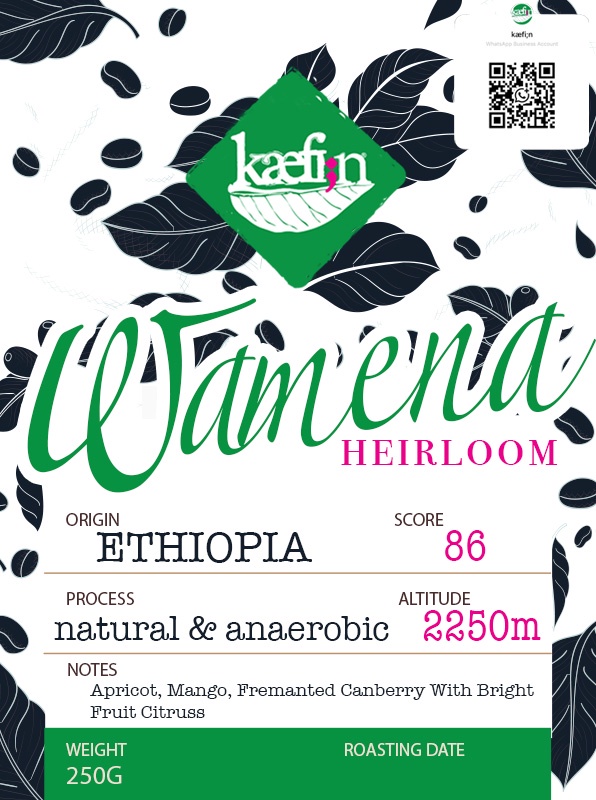
wamena Ethiopia – Heirloom – 100% arabica Single Origin Specialty Coffee – 250g
850EGP
*English Description Below
من أعالي مرتفعات إثيوبيا الخلابة، وتحديداً من منطقة "وامينا" التي تعانق السحاب على ارتفاع ٢٢٥٠ متراً فوق سطح البحر، نقدم لك محصولاً استثنائياً ينبض بالتعقيد. هذا المحصول الحاصل على تقييم ٨٦ نقطة يمثل تحفة فنية في عالم القهوة المختصة، حيث تجتمع سلالات "هيرلوم"
(Heirloom)
البرية مع أحدث تقنيات المعالجة التجريبية لإنتاج كوب لا يُنسى. إنها قهوة تتجاوز حدود المألوف، مصممة لعشاق النكهات الجريئة والفريدة.
تفرد الحبة: تتميز قهوة وامينا هيرلوم بانفجار فاكهي استوائي معقد بفضل المعالجة المزدوجة. مع أول رشفة، تتضح نوتات المشمش
(Apricot)
والمانجو
(Mango)
الغنية، لتفسح المجال أمام إيحاء جريء ومميز للتوت البري المخمر
(Fermented Cranberry).
تتوج هذه التجربة المعقدة بحمضية حمضيات فاكهية مشرقة
(Bright Fruit Citrus)
تخلق توازناً مدهشاً وتضفي حيوية غير عادية على الكوب، مع قوام ممتلئ ونهاية عطرية تدوم طويلاً.
المعالجة (Natural & Anaerobic
| طبيعية ولا هوائية)
يمر هذا المحصول بعملية معالجة مزدوجة شديدة التعقيد. تُقطف كرزات القهوة يدوياً في ذروة نضجها، ثم توضع في خزانات محكمة الإغلاق مفرغة من الأكسجين (تخمير لا هوائي) لفترة مدروسة بعناية. هذه الخطوة تدفع السكريات والنكهات الفاكهية إلى أقصى حدودها وتخلق نوتة "التوت المخمر". بعد التخمير، تُنقل الكرزات لتُجفف كاملة بالطريقة الطبيعية تحت أشعة الشمس على أسرّة مرتفعة، مما يضمن امتصاص الحبة لكل قطرة من حلاوة القشرة.
لماذا نحمص بكميات صغيرة كل أسبوع؟ القهوة المعالجة لاهوائياً تتطلب حساسية استثنائية أثناء التحميص؛ فتركيبتها الخلوية المعقدة والسكريات العالية الناتجة عن التخمير تجعلها عرضة لفقدان النكهات الدقيقة إذا حُمصت بشكل تجاري. في محمصة
kaefi;n
في الإسكندرية، نعتمد على تقنية التحميص الهوائي
(Fluid Bed Roasting)
بكميات صغيرة جداً لا تتجاوز ٥ كيلوغرامات. هذا التدفق الحراري الدقيق يضمن إبراز نوتات المانجو والمشمش وحلاوة التوت المخمر بدرجة تحميص خفيفة إلى متوسطة، دون أي لسعة مرارة أو احتراق للسكريات الحساسة.
نصيحة التحضير
للتقطير اليدوي (V60)
- حار
بسبب المعالجة اللاهوائية، يُفضل استخدام حرارة ماء أقل بقليل لتجنب الاستخلاص الزائد الذي قد يبرز مرارة التخمير.
- الطحن: متوسطة الخشونة.
- درجة حرارة الماء: ٨٩-٩٠ درجة مئوية.
- النسبة: ١:١٥ (١٦ غرام بن لكل ٢٤٠ مل ماء).
- وقت الاستخلاص: ٢:١٥ إلى ٢:٣٠ دقيقة.
للتقطير اليدوي (V60)
- بارد
(Iced Flash Brew)
المعالجة اللاهوائية تتألق بشكل مبهر في المشروبات الباردة، مما يجعل هذا الكوب أشبه بعصير استوائي فاخر.
- الطحن: أنعم درجة واحدة من طحنة الحار.
- القهوة: ١٦ غرام.
- الماء الحار: ١٤٠ مل (بدرجة حرارة ٩٠ مئوية).
- الثلج: ١٠٠ غرام.
- يُصب الماء الحار لعمل استخلاص مُركز ومباشر فوق الثلج.
للإسبريسو: خيار جريء وممتاز لعشاق الإسبريسو الفاكهي.
- القهوة: ١٨ غرام.
- الاستخلاص: ٤٠ غرام (ريشيو ١:٢.٢ لتخفيف حدة الحمضية اللاهوائية).
- درجة الحرارة: ٩١ درجة مئوية.
- النتيجة: شوت إسبريسو كثيف جداً بطعم المانجو والمشمش الواضح.
لمحة تاريخية: كيف وصل هذا المحصول ليصبح قهوة مختصة؟ لسنوات طويلة، كانت القهوة الإثيوبية تُعالج بالطرق التقليدية (المغسولة أو الطبيعية فقط) وتُباع كسلعة خام تُخلط فيها المحاصيل دون تتبع دقيق للمصادر. التحول نحو القهوة المختصة بدأ مع "الموجة الثالثة للقهوة"، حيث بدأ الشغف يتجه نحو تتبع المحاصيل وصولاً إلى المزرعة وتجربة أساليب معالجة حديثة كالمعالجة اللاهوائية
(Anaerobic)
التي اقتُبست من صناعة النبيذ. تطبيق هذه التقنيات المعقدة في منطقة عالية الارتفاع مثل وامينا (٢٢٥٠ متراً) تطلب تدريباً هائلاً للمزارعين ومعدات مكلفة، مما حوّل هذه الحبوب من مجرد محصول تقليدي إلى تجربة تذوق استثنائية تُقيّم بـ ٨٦ نقطة، وتلفت أنظار المحامص الفاخرة حول العالم.
لمحة ثقافية عن السياسة والاقتصاد وكيف تلتقي في صناعة القهوة المختصة
صناعة القهوة في إثيوبيا ليست مجرد زراعة، بل هي عصب الاقتصاد والسياسة. في عام ٢٠٠٨، أسست الحكومة "بورصة إثيوبيا للسلع" (ECX) لتنظيم التجارة، لكنها أجبرت المزارعين على خلط محاصيلهم، مما أدى إلى طمس الهوية الفريدة للقهوة المختصة وهبوط أسعارها عالمياً. ومع ضغط السوق العالمي والمشترين المتخصصين الذين يطلبون الجفاف والشفافية (Traceability)، حدث إصلاح سياسي واقتصادي محوري في عام ٢٠١٧. سمحت القوانين الجديدة للمزارعين ومحطات المعالجة بتجاوز البورصة والبيع المباشر (Direct Trade) للمحامص العالمية. هذا القرار الاقتصادي الجريء هو ما سمح لمحطات معالجة "وامينا" بالاستثمار في خزانات التخمير اللاهوائي؛ لأنهم باتوا يضمنون بيع محصولهم ذو الـ ٨٦ نقطة بأسعار ممتازة وعادلة مباشرة للمشترين. كوب القهوة الذي بين يديك اليوم هو ثمرة مباشرة لهذا الانتصار الاقتصادي والسياسي، والذي مكّن المزارع الإثيوبي من الابتكار والتحرر من قيود السوق التجاري.
English Description
Description: From the breathtaking highlands of Ethiopia, specifically from the "Wamena" region touching the clouds at an altitude of 2,250 meters above sea level, we present an exceptionally complex crop. Scoring a remarkable 86 points, this coffee is a masterpiece in the specialty coffee world, combining wild "Heirloom" varieties with cutting-edge experimental processing to produce an unforgettable cup. This coffee transcends the ordinary, crafted for lovers of bold and unique flavors.
Unique Bean Profile: Wamena Heirloom coffee features a complex tropical fruit explosion thanks to its dual processing. Upon the first sip, rich notes of Apricot and Mango become evident, making way for a bold, distinctive note of Fermented Cranberry. This complex experience is crowned by a Bright Fruit Citrus acidity that creates an astonishing balance, lending extraordinary vibrancy to the cup, accompanied by a full body and a lingering aromatic finish.
Processing Method (Natural & Anaerobic): This crop undergoes a highly complex dual processing method. Coffee cherries are hand-picked at peak ripeness, then placed in sealed, oxygen-free tanks (Anaerobic fermentation) for a carefully monitored period. This step pushes the natural sugars and fruity flavors to their absolute limits, creating that distinct "fermented cranberry" note. Following fermentation, the cherries are moved to dry whole—using the Natural method—under the sun on raised beds, ensuring the bean absorbs every drop of sweetness from the fruit.
Why do we roast in small batches every week? Anaerobically processed coffee demands exceptional sensitivity during roasting; its complex cellular structure and high sugar content from fermentation make it susceptible to losing its delicate flavors if roasted commercially. Relying on advanced fluid bed air-roasting technology, we roast in micro-batches not exceeding 5 kilograms. This precise thermal airflow highlights the mango, apricot, and sweet fermented berry notes at a light to medium roast level, completely avoiding any bitterness or burning of the delicate sugars.
Brewing Tip: For Pour-Over (V60) - Hot: Due to the anaerobic processing, a slightly lower water temperature is recommended to avoid over-extraction which can highlight fermentation bitterness.
- Grind: Medium-coarse.
- Water temp: 89–90°C.
- Ratio: 1:15 (16g coffee per 240ml water).
- Brew time: 2:15 to 2:30 minutes.
For Pour-Over (V60) - Iced (Flash Brew): Anaerobic processing shines brilliantly in cold brews, making this cup taste like a premium tropical juice.
- Grind: One step finer than hot V60.
- Coffee: 16g.
- Hot Water: 140ml (at 90°C).
- Ice: 100g.
- Pour the hot water to extract a concentrate directly over the ice.
For Espresso: An excellent, bold choice for fruity espresso lovers.
- Coffee: 18g.
- Yield: 40g (A 1:2.2 ratio helps mellow the bright anaerobic acidity).
- Temperature: 91°C.
- Result: A highly dense espresso shot with clear mango and apricot flavors.
Historical Background: How did this crop become specialty? For many years, Ethiopian coffee was processed using traditional methods (strictly washed or natural) and sold as a bulk commodity where lots were mixed without precise traceability. The shift towards specialty coffee began with the "Third Wave of Coffee," which prioritized tracing crops back to the exact farm and experimenting with modern processing methods like Anaerobic fermentation—a technique borrowed from the wine industry. Applying these complex techniques in a high-altitude region like Wamena (2,250 meters) required immense farmer training and costly equipment. This elevated the beans from a traditional crop to an exceptional 86-point tasting experience that captures the attention of premium roasters worldwide.
Cultural Background: Politics and Economics in Specialty Coffee: The coffee industry in Ethiopia is not just agriculture; it is the backbone of its politics and economy. In 2008, the government established the Ethiopia Commodity Exchange (ECX) to regulate trade, but it forced farmers to mix their lots, stripping specialty coffee of its unique identity and driving down global prices. Driven by pressure from the global market and specialty buyers demanding traceability and high quality, a pivotal political and economic reform occurred in 2017. New laws allowed farmers and washing stations to bypass the ECX and engage in Direct Trade with global roasters. This bold economic decision is precisely what enabled the Wamena processing stations to invest in anaerobic fermentation tanks; they were finally guaranteed to sell their 86-point crops at premium, fair prices directly to buyers. The cup of coffee in your hands today is the direct fruit of this economic and political victory, which empowered the Ethiopian farmer to innovate and break free from the constraints of the commercial market.